- Libros
- METODO IDIOMAS, FILOLOGIA Y LINGÜÍSTICA
- La lingüística del humor en español
- Libros
- METODO IDIOMAS, FILOLOGIA Y LINGÜÍSTICA
- La lingüística del humor en español
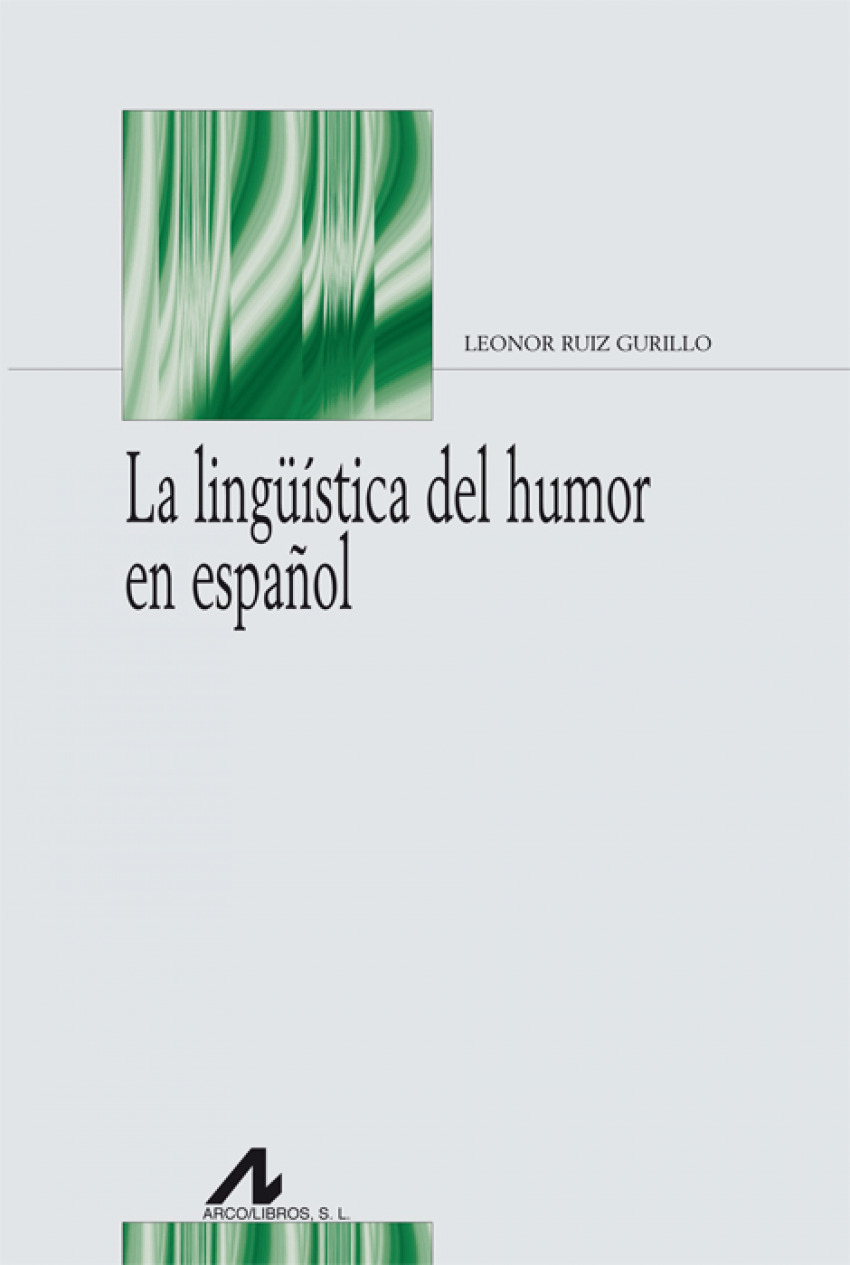
Synopsis La lingüística del humor en español
Afrontar el análisis lingüístico del humor en español no es una tarea fácil. Supone tratar de manera seria textos humorísticos y, hasta cierto punto, desentrañar los mecanismos que los sustentan. El libro La lingüística del humor en español, desarrollado en el seno del grupo de investigación GRIALE de la Universidad de Alicante (www.griale.es), se acerca a este campo poco explorado del español. Para hacerlo, delimita el objeto de estudio, aspecto de por sí complejo y controvertido, ya que el humor ha preocupado a lingüistas, sí, pero también a sociólogos, psicólogos, médicos, enfermeros o pedagogos, entre otros. Esta separación conduce a una radiografía del humor desde las tres teorías más potentes para el análisis lingüístico de este hecho pragmático: la Teoría General del Humor Verbal, la Lingüística Cognitiva y la Teoría de la Relevancia. La elección de la primera de ellas y su revisión conduce hacia un modelo integrado donde aspectos como el registro, el texto o el género, así como las marcas e indicadores que se emplean en el humor y la elección metapragmática que lleva a cabo de las mismas el hablante/escritor, toman un nuevo sentido. Con este modelo revisado se está en condiciones de analizar tanto géneros humorísticos como serios. El género humorístico por excelencia es el chiste, aunque también tienen cabida en el trabajo otros como el monólogo humorístico o la parodia. La conversación espontánea, si bien es un género serio, emplea el humor como estrategia conversacional. Algunos de los aspectos aquí tratados conducen a otro tema controvertido, la relación entre ironía y humor. En fin, la lingüística del humor abre, de este modo, una vía para el transeúnte que se adentra en los terrenos de frontera del humor en español. Acotado a partir de la noción de texto, el chiste, el monólogo, el sketch o la conversación espontánea son formas de humor que se manifiestan en creaciones planificadas o espontáneas, como los chistes breves, el programa televisivo El Club de la Comedia, el sketch televisivo de Saturday Night Live o las conversaciones coloquiales recogidas por el grupo Val.Es.Co.INDICE Prólogo de Antonio Briz Agradecimientos Abreviaturas empleadas 1. Introducción 1.1. Poner puertas al campo 1.2. Más allá del horizonte 2. Radiografía del humor 2.1. El modelo estándar: la Teoría Semántica del Humor basada en guiones y la Teoría General del Humor Verbal 2.2. La lingüística cognitiva y el humor 2.2. 1. Asunciones previas 2.2.2. Las críticas a la incongruencia-resolución y el espacio cognitivo 2.3. La Teoría de la Relevancia y el humor 3. Un modelo pragmático para el humor en español 3.1. Hacia una revisión de la Teoría General del Humor Verbal 4. Denominación de origen: géneros serios y géneros humorísticos 4. 1. Géneros serios y géneros humorísticos 4. 2. El chiste como prototipo 4.2.1. La Teoría General del Humor Verbal y el chiste 4.2.2. La oposición de guiones y los mecanismos lógicos 4.2.2.1. Mecanismos lógicos basados en relaciones sintagmáticas 4.2.2.2. Mecanismos lógicos basados en razonamientos 4.2.3. La situación: el chiste en interacción 4.2.4. La meta 4.2.5. Las estrategias narrativas 4.2.6. Los elementos lingüísticos 4.3. Conclusiones 5. El humor audiovisual: el monólogo 5.1. Introducción 5.2. Un género para el monólogo humorístico 5.3. La narración al servicio del humor 5.4. Del guión escrito al monólogo en acción 5.5. El humor en el monólogo 5.5.1. Marcas de humor 5.5.2. Indicadores de humor 5. 6. Conclusiones 6. Lo bueno si breveà: la parodia en forma de sketch 6.1. Una definición de parodia 6.2. Un tipo de parodia: el sketch televisivo 6.3. Conclusiones 7. Un género no humorístico: la conversación espontánea 7.1. Introducción 7.2. Un género para la conversación espontánea 7.3. Ironía y humor en la conversación coloquial 7.3. 1. La ironía en la dimensión estructural 7.3. 2. La ironía en la dimensión social 7.3. 3. El humor como estrategia conversacional 7. 4. Conclusiones 8. La extraña pareja: ironía y humor 8. 1. Introducción 8. 2. La ironía desde un acercamiento neogriceano 8.2.1. La infracción de la máxima de cualidad 8.2.2. La inversión del principio de Cantidad 8.2.3. La inversión del principio de Manera 8.2.4. La inversión del principio de Informatividad 8.2.5. Coaparición de indicadores y marcas 8.2.6. De la ironía al humor 8.3. Ironía y humor en contraste 8.3.1. Semántica y pragmática 8.3.2. Eco 8.3.3. Contraste 8.3.4. Negación 8.3.5. Infracción de principios pragmáticos 8.4. Conclusiones 9. Conclusiones Bibliografía
EAN
9788476358351
Editorial
Year of edition
2012
pages
168
Binding
Soft cover or pocket
Idiom
Spanish
Collection
BIBLIOTECA PHILOLOGICA
High
215
Width
150
9,88 €
-5%
9,39 €
9.88 €
- 5 % dto
9.39 €