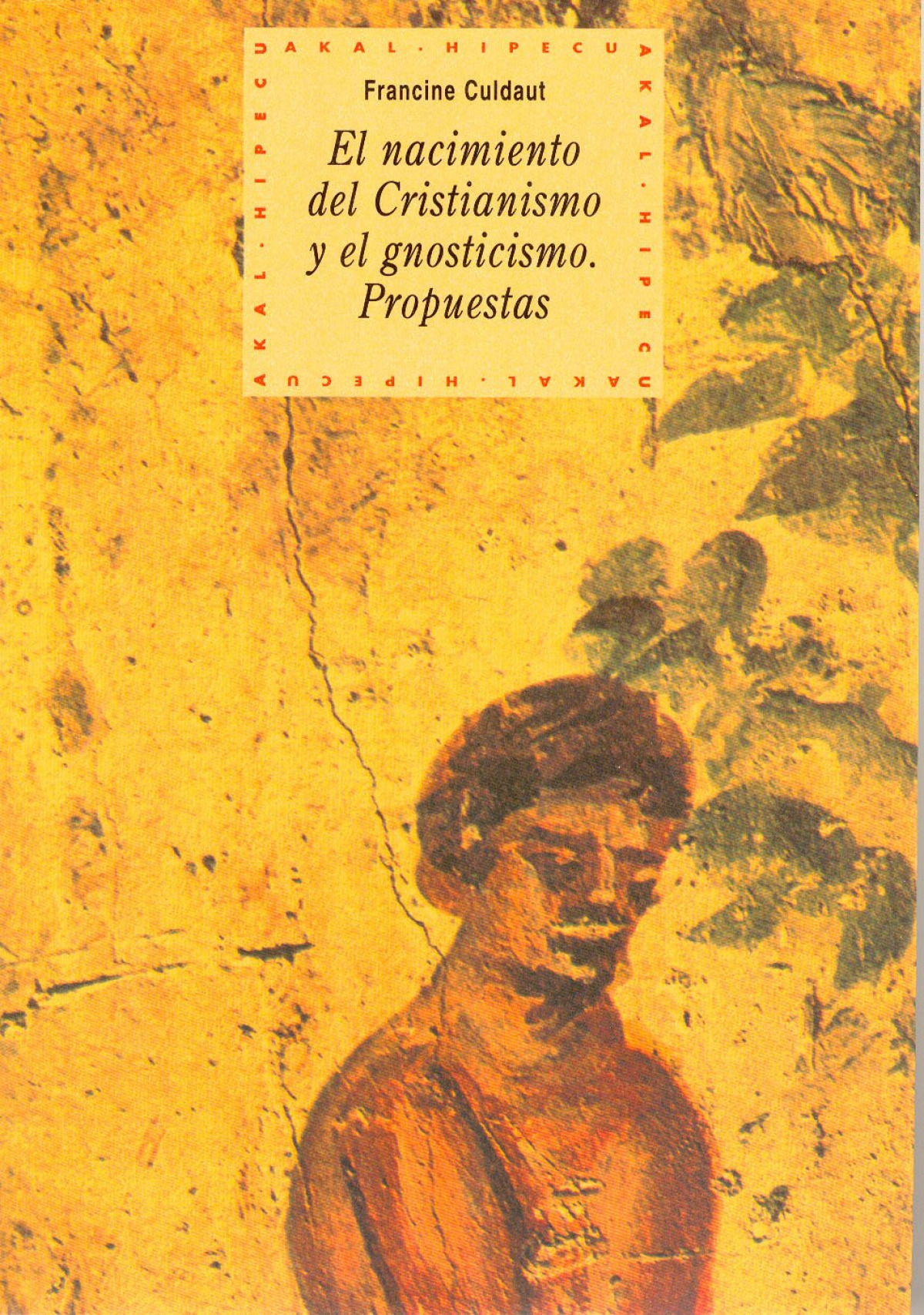
https://devlaravel.imosver.com/en/libros/el-nacimiento-del-cristianismo-y-el-gnosticismo-00100169470010016947El nacimiento del cristianismo y el gnosticismo8.55El gnosticismo fue un movimiento surgido en torno al s. IV d.C., como un intento de crear una mitología nueva en la que se unían contenidos judeo.cristianos y especulaciones neoplatónicas y neopitagórhttps://static.arnoia.com/imagenes_small/9788446/978844600608.jpgLibrosLibros/FILOSOFIASin stockAKAL000https://static.arnoia.com/imagenes_small/9788446/978844600608.jpg0010045459950.451996/11/019788446006084Culdaut, FrancineLibrosaño_1996idioma_SpanishCformato_No definidoautor_Culdaut, Francinesaga_HIPECU
Artículo
El nacimiento del cristia
Culdaut Francine
AKAL
FILOSOFIA
? Cookie Notice
We use cookies to ensure you get the best experience on our website.
Read cookie policy.
? Manage cookie preferences
This type of cookie allows the user to browse a website, platform, or application and to use the different options or services that exist on it.
imosver_session
Description
Essential first-party cookie. It keeps your session identified while you browse: your basket, your language and access to your account. The website cannot work without it.
Duration
120 minutes
Dependencies
Domain
imosver.com
OCT8NE
Description
This cookie is used for the proper functioning of the Oct8ne Chat to provide customer support service to the user.
These are those that enable the tracking and analysis of user behavior on our website. The information collected is used to measure user activity on the website and to create user browsing profiles.
_clsk
Description
It records statistical data about the visitor's behavior on the website. This is used for internal analysis by the website operator.
Duration
1 days
Dependencies
Domain
imosver.com
logglytrackingsession
Description
Identifies and records the user session for analytical purposes.
Duration
Session
Dependencies
Domain
.imosver.com
GOOGLE_ANALYTICS
Description
Records a unique identifier that is used to generate statistical data about how the visitor uses the website.
Duration
1 year
Dependencies
Domain
.imosver.com
_clck
Description
Microsoft Clarity first-party cookie. It stores an anonymous browser identifier so that visits to this website can be attributed to the same user and usage statistics can be produced.
Duration
1 year
Dependencies
Domain
imosver.com
CLID
Description
Microsoft Clarity third-party cookie. It identifies the first time Clarity detects this browser on any website using the service.
Duration
1 year
Dependencies
Domain
clarity.ms
_ga
Description
Google Analytics cookie. It stores an anonymous browser identifier in order to distinguish users and produce website usage statistics.
Duration
2 year
Dependencies
Domain
.imosver.com
_ga_LZR660YW0M
Description
Google Analytics 4 cookie. It keeps the analytics session state so that visits and the journey through the website can be measured.
Duration
2 year
Dependencies
Domain
.imosver.com
These are the ones that allow us to adapt the navigation on our website to your preferences (e.g., language, browser used, etc.).
_fbp
Description
Used by Facebook to offer a series of advertising products, such as real-time bids from third-party advertisers.
Duration
3 month
Dependencies
Domain
.imosver.com
afiliado
Description
First-party affiliate programme cookie. It stores for 30 days the code of the affiliate that brought you to the website, so that the sale can be attributed to them.
Duration
1 month
Dependencies
Domain
imosver.com
MUID
Description
Microsoft third-party cookie. It identifies unique browsers visiting Microsoft sites and is used for advertising, analytics and other operational purposes.
Duration
1 year
Dependencies
Domain
clarity.ms
ANONCHK
Description
Microsoft third-party cookie. It indicates whether the MUID identifier is transferred to ANID, a cookie used for advertising purposes.
Duration
10 minutes
Dependencies
Domain
clarity.ms
MR
Description
Microsoft third-party cookie. It indicates whether the MUID identifier must be refreshed.
Duration
7 days
Dependencies
Domain
clarity.ms
SM
Description
Microsoft third-party cookie. It synchronises the MUID identifier across Microsoft domains.
Duration
Session
Dependencies
Domain
clarity.ms
_fbc
Description
Meta cookie. It stores the identifier of the Facebook or Instagram advert you arrived from, in order to attribute the visit to that advertising campaign.
Duration
3 month
Dependencies
Domain
.imosver.com
_gcl_au
Description
Google Ads cookie. It records a visit coming from an advert so that advertising campaign conversions can be measured.
Duration
3 month
Dependencies
Domain
.imosver.com
_uetsid
Description
Microsoft Advertising cookie. It identifies your browsing session in order to measure conversions from Bing advertising campaigns.
Duration
1 days
Dependencies
Domain
.imosver.com
_uetvid
Description
Microsoft Advertising cookie. It identifies your browser across visits in order to measure conversions from Bing advertising campaigns.
Synopsis El nacimiento del cristianismo y el gnosticismo
El gnosticismo fue un movimiento surgido en torno al s. IV d.C., como un intento de crear una mitología nueva en la que se unían contenidos judeo.cristianos y especulaciones neoplatónicas y neopitagóricas. Pretendía ser la exposición de un conocimiento revelado, depositado en el alma de los hombres, y susceptible de ser recordado si éstos se atenían a la doctrina y los rituales de los gnósticos. No quería presentarse como una fe o una creencia sino como el conocimiento de la única y suprema verdad, capaz de otorgar la salvación. El cristianismo se forjó en buen medida contra el gnosticismo, no sin dejarse influir por éste. Doctrina principal de los gnósticos era la irremediable maldad de este mundo, creado por un dios (el demiurgo) maligno. De modo que hay dos dioses: el dios de bondad no es creador ni tiene relación con hombre y mundo, sino sólo con las lamas primigenias, caídas en el cuerpo de los hombres. Para volver a su estado anterior diaponen de la gnosis. El gnosticismo mantiene así una relación no vicaria con el cristianismo (no es una herejía, sino una mitología doctrinalmente independiente).