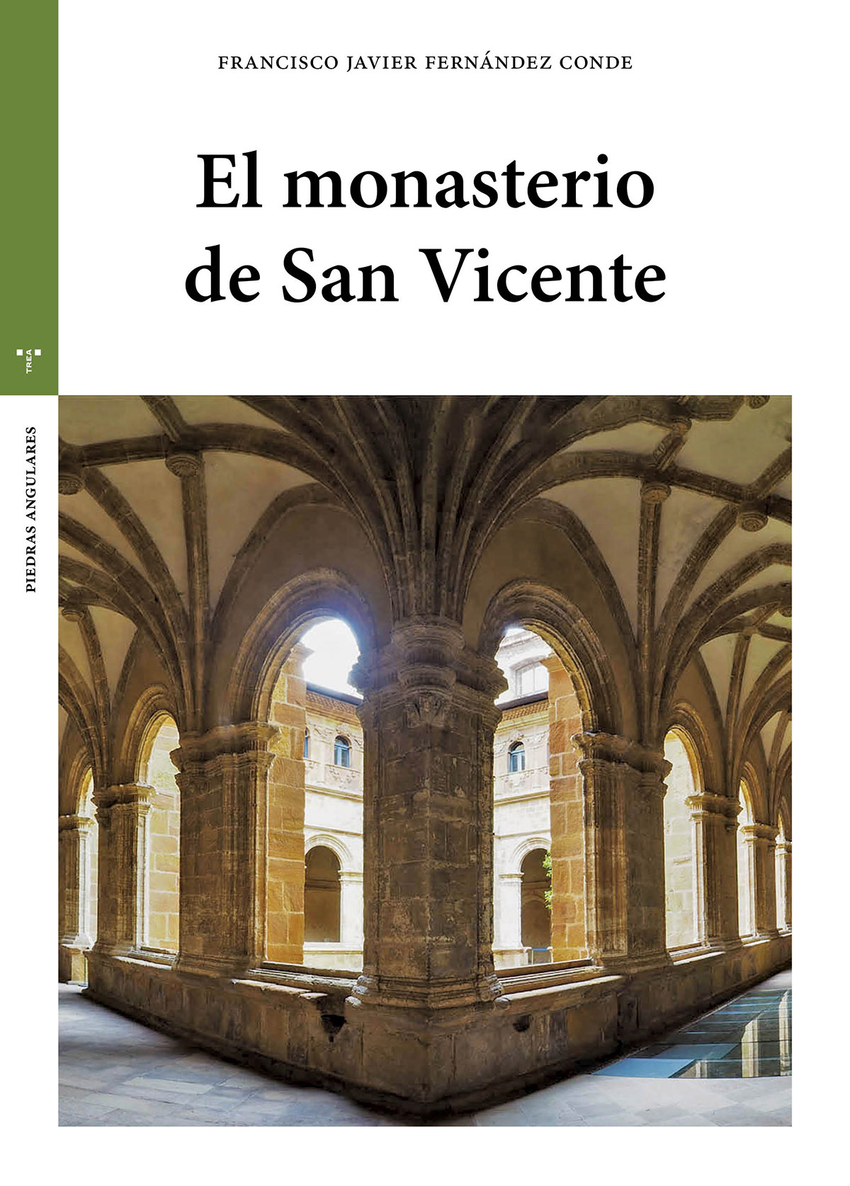
https://devlaravel.imosver.com/en/libros/el-monasterio-de-san-vicente-CIM0042215CIM0042215El monasterio de San Vicente23.75Los monasterios fueron una realidad importante en la historia del Medioevo occidental desde que Benito de Nursia compuso en el siglo VI la Santa Regla para sus monjes, inspirándose en las de Casiano, https://static.arnoia.com/imagenes_small/9788410/978841026332.jpgLibrosLibros/HISTORICAEn stockTREA EDICIONES000https://static.arnoia.com/imagenes_small/9788410/978841026332.jpg0010483895ALO007220700103944622551.252024/09/019788410263321Fernández Conde, Francisco JavierLibrosaño_2024idioma_SpanishCformato_Tapa blanda o Bolsilloautor_Fernández Conde, Francisco Javiersaga_ESTUDIOS HISTORICOS LA OLMEDA
Artículo
El monasterio de San Vice
Fernández Conde Francisco
TREA EDICIONES
HISTORICA
? Cookie Notice
We use cookies to ensure you get the best experience on our website.
Read cookie policy.
? Manage cookie preferences
This type of cookie allows the user to browse a website, platform, or application and to use the different options or services that exist on it.
imosver_session
Description
Essential first-party cookie. It keeps your session identified while you browse: your basket, your language and access to your account. The website cannot work without it.
Duration
120 minutes
Dependencies
Domain
imosver.com
OCT8NE
Description
This cookie is used for the proper functioning of the Oct8ne Chat to provide customer support service to the user.
These are those that enable the tracking and analysis of user behavior on our website. The information collected is used to measure user activity on the website and to create user browsing profiles.
_clsk
Description
It records statistical data about the visitor's behavior on the website. This is used for internal analysis by the website operator.
Duration
1 days
Dependencies
Domain
imosver.com
logglytrackingsession
Description
Identifies and records the user session for analytical purposes.
Duration
Session
Dependencies
Domain
.imosver.com
GOOGLE_ANALYTICS
Description
Records a unique identifier that is used to generate statistical data about how the visitor uses the website.
Duration
1 year
Dependencies
Domain
.imosver.com
_clck
Description
Microsoft Clarity first-party cookie. It stores an anonymous browser identifier so that visits to this website can be attributed to the same user and usage statistics can be produced.
Duration
1 year
Dependencies
Domain
imosver.com
CLID
Description
Microsoft Clarity third-party cookie. It identifies the first time Clarity detects this browser on any website using the service.
Duration
1 year
Dependencies
Domain
clarity.ms
_ga
Description
Google Analytics cookie. It stores an anonymous browser identifier in order to distinguish users and produce website usage statistics.
Duration
2 year
Dependencies
Domain
.imosver.com
_ga_LZR660YW0M
Description
Google Analytics 4 cookie. It keeps the analytics session state so that visits and the journey through the website can be measured.
Duration
2 year
Dependencies
Domain
.imosver.com
These are the ones that allow us to adapt the navigation on our website to your preferences (e.g., language, browser used, etc.).
_fbp
Description
Used by Facebook to offer a series of advertising products, such as real-time bids from third-party advertisers.
Duration
3 month
Dependencies
Domain
.imosver.com
afiliado
Description
First-party affiliate programme cookie. It stores for 30 days the code of the affiliate that brought you to the website, so that the sale can be attributed to them.
Duration
1 month
Dependencies
Domain
imosver.com
MUID
Description
Microsoft third-party cookie. It identifies unique browsers visiting Microsoft sites and is used for advertising, analytics and other operational purposes.
Duration
1 year
Dependencies
Domain
clarity.ms
ANONCHK
Description
Microsoft third-party cookie. It indicates whether the MUID identifier is transferred to ANID, a cookie used for advertising purposes.
Duration
10 minutes
Dependencies
Domain
clarity.ms
MR
Description
Microsoft third-party cookie. It indicates whether the MUID identifier must be refreshed.
Duration
7 days
Dependencies
Domain
clarity.ms
SM
Description
Microsoft third-party cookie. It synchronises the MUID identifier across Microsoft domains.
Duration
Session
Dependencies
Domain
clarity.ms
_fbc
Description
Meta cookie. It stores the identifier of the Facebook or Instagram advert you arrived from, in order to attribute the visit to that advertising campaign.
Duration
3 month
Dependencies
Domain
.imosver.com
_gcl_au
Description
Google Ads cookie. It records a visit coming from an advert so that advertising campaign conversions can be measured.
Duration
3 month
Dependencies
Domain
.imosver.com
_uetsid
Description
Microsoft Advertising cookie. It identifies your browsing session in order to measure conversions from Bing advertising campaigns.
Duration
1 days
Dependencies
Domain
.imosver.com
_uetvid
Description
Microsoft Advertising cookie. It identifies your browser across visits in order to measure conversions from Bing advertising campaigns.
Los monasterios fueron una realidad importante en la historia del Medioevo occidental desde que Benito de Nursia compuso en el siglo VI la Santa Regla para sus monjes, inspirándose en las de Casiano, San Basilio y la Regula Magistri. Aquellas comunidades monásticas constituyeron un factor decisivo para la economía, la sociedad, la cultura y la religiosidad. Nada tiene de extraño que los historiadores se ocuparan de las casas de «monjes negros», de monjas y de las diferentes instituciones influidas por esa disciplina monástica. Esa historia monástica estuvo muy de moda en España en la segunda parte del siglo pasado, tomando como marco de referencia la historia del monasterio de San Millán de la Cogolla de J. A. García de Cortázar (1969). Más o menos conscientemente, aquellas monografías, que leyeron a la letra los importantes núcleos documentales de cada cenobio, los describían prácticamente como un «señorío colectivo de producción» en el contexto general del feudalismo. Con el paso del tiempo, los medievalistas que admiraban y seguían dichos modelos, se fueron dando cuenta y poniendo de relieve en sus monografías que aquellos centros de poder, además de dominios feudales, estaban también formados por hombres o mujeres que vivían, estudiaban y rezaban como una comunidad religiosa que adaptaba su vida a una «Regla». Así fueron apareciendo numerosas obras, en la que se puede seguir la «vida completa» de muchos monasterios, aunque las dimensiones económico-sociales sigan ocupando una parte fundamental de los respectivos trabajos. La historia del monasterio de San Pelayo d᾽Uviéu llevada a cabo por Torrente Fernández (2019) y la de San Salvador de Cornellana, realizada por Miguel Calleja-Puerta con ocasión del milenario de su fundación (2024), son los últimos y espléndidos ejemplos de monografías históricas sobre la materia en Asturias. Con este trabajo sobre el monasterio de San Vicente, en el que nos hemos esforzado para no perder de vista la realidad completa de lo que fue uno de los más importantes monasterios de la historia medieval asturiana, tratamos también de aumentar, un poco más, ese capítulo bibliográfico. En principio, nos propusimos abarcar toda su historia medieval. La enorme masa documental (conservada en su mayoría en el Archivo de San Pelayo), nos obligó a terminar en torno a 1300. En una segunda obra, trataremos —o tratarán— de hacer realidad dicho proyecto hasta la incorporación de los monjes d᾽Uviéu a la Congregación de la Observancia de San Benito de Valladolid a comienzos del siglo XVI.