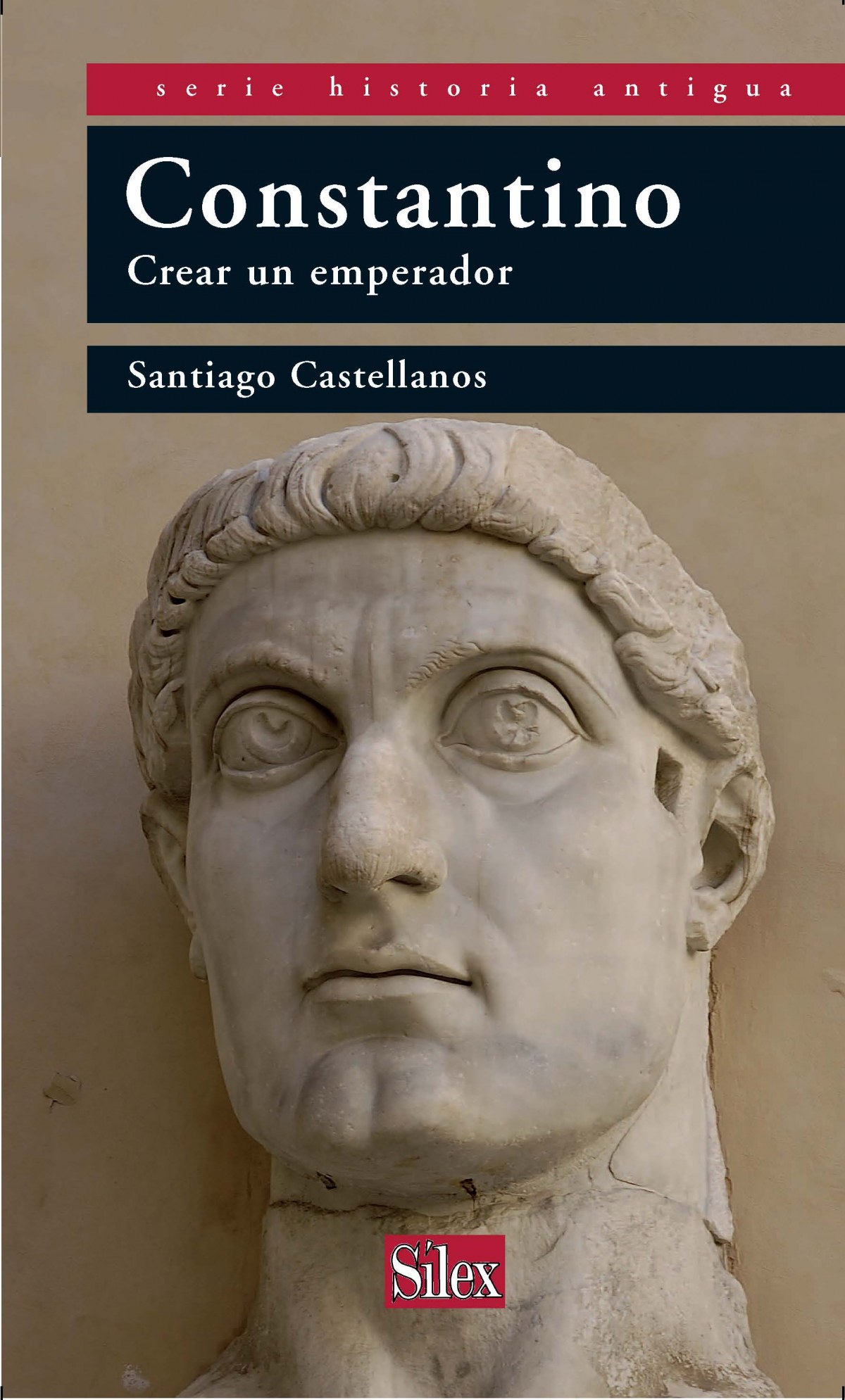
https://devlaravel.imosver.com/en/libros/constantinocrear-un-emperador-00100090120010009012Constantino:crear un emperador21.85Que el Imperio romano apostara por el cristianismo no fue una cuestión menor. Y esto sucedió a partir del emperador Constantino. No decretó la oficialidad del cristianismo, ni de ninguna de sus varianhttps://static.arnoia.com/imagenes_small/9788477/978847737302.jpgLibrosLibros/HISTORIASin stockSILEX000https://static.arnoia.com/imagenes_small/9788477/978847737302.jpg0010563001CIM00529600010454616CIM00092862351.152010/06/159788477373025Castellanos, SantiagoLibrosaño_2010idioma_SpanishCformato_Tapa blanda o Bolsilloautor_Castellanos, Santiagosaga_HISTORIA
Artículo
Constantino:crear un empe
Castellanos Santiago
SILEX
HISTORIA
? Cookie Notice
We use cookies to ensure you get the best experience on our website.
Read cookie policy.
? Manage cookie preferences
This type of cookie allows the user to browse a website, platform, or application and to use the different options or services that exist on it.
imosver_session
Description
Essential first-party cookie. It keeps your session identified while you browse: your basket, your language and access to your account. The website cannot work without it.
Duration
120 minutes
Dependencies
Domain
imosver.com
OCT8NE
Description
This cookie is used for the proper functioning of the Oct8ne Chat to provide customer support service to the user.
These are those that enable the tracking and analysis of user behavior on our website. The information collected is used to measure user activity on the website and to create user browsing profiles.
_clsk
Description
It records statistical data about the visitor's behavior on the website. This is used for internal analysis by the website operator.
Duration
1 days
Dependencies
Domain
imosver.com
logglytrackingsession
Description
Identifies and records the user session for analytical purposes.
Duration
Session
Dependencies
Domain
.imosver.com
GOOGLE_ANALYTICS
Description
Records a unique identifier that is used to generate statistical data about how the visitor uses the website.
Duration
1 year
Dependencies
Domain
.imosver.com
_clck
Description
Microsoft Clarity first-party cookie. It stores an anonymous browser identifier so that visits to this website can be attributed to the same user and usage statistics can be produced.
Duration
1 year
Dependencies
Domain
imosver.com
CLID
Description
Microsoft Clarity third-party cookie. It identifies the first time Clarity detects this browser on any website using the service.
Duration
1 year
Dependencies
Domain
clarity.ms
_ga
Description
Google Analytics cookie. It stores an anonymous browser identifier in order to distinguish users and produce website usage statistics.
Duration
2 year
Dependencies
Domain
.imosver.com
_ga_LZR660YW0M
Description
Google Analytics 4 cookie. It keeps the analytics session state so that visits and the journey through the website can be measured.
Duration
2 year
Dependencies
Domain
.imosver.com
These are the ones that allow us to adapt the navigation on our website to your preferences (e.g., language, browser used, etc.).
_fbp
Description
Used by Facebook to offer a series of advertising products, such as real-time bids from third-party advertisers.
Duration
3 month
Dependencies
Domain
.imosver.com
afiliado
Description
First-party affiliate programme cookie. It stores for 30 days the code of the affiliate that brought you to the website, so that the sale can be attributed to them.
Duration
1 month
Dependencies
Domain
imosver.com
MUID
Description
Microsoft third-party cookie. It identifies unique browsers visiting Microsoft sites and is used for advertising, analytics and other operational purposes.
Duration
1 year
Dependencies
Domain
clarity.ms
ANONCHK
Description
Microsoft third-party cookie. It indicates whether the MUID identifier is transferred to ANID, a cookie used for advertising purposes.
Duration
10 minutes
Dependencies
Domain
clarity.ms
MR
Description
Microsoft third-party cookie. It indicates whether the MUID identifier must be refreshed.
Duration
7 days
Dependencies
Domain
clarity.ms
SM
Description
Microsoft third-party cookie. It synchronises the MUID identifier across Microsoft domains.
Duration
Session
Dependencies
Domain
clarity.ms
_fbc
Description
Meta cookie. It stores the identifier of the Facebook or Instagram advert you arrived from, in order to attribute the visit to that advertising campaign.
Duration
3 month
Dependencies
Domain
.imosver.com
_gcl_au
Description
Google Ads cookie. It records a visit coming from an advert so that advertising campaign conversions can be measured.
Duration
3 month
Dependencies
Domain
.imosver.com
_uetsid
Description
Microsoft Advertising cookie. It identifies your browsing session in order to measure conversions from Bing advertising campaigns.
Duration
1 days
Dependencies
Domain
.imosver.com
_uetvid
Description
Microsoft Advertising cookie. It identifies your browser across visits in order to measure conversions from Bing advertising campaigns.
Que el Imperio romano apostara por el cristianismo no fue una cuestión menor. Y esto sucedió a partir del emperador Constantino. No decretó la oficialidad del cristianismo, ni de ninguna de sus variantes, pero sí sentó las bases para que este proceso fuera posible. Por tal motivo el tema "Constantino" está presente con frecuencia en las discusiones científicas e incluso en algunos medios más cercanos al público en general. Este libro propone un enfoque político del asunto. Constantino fue el agente principal en la eliminación del sistema de gobierno colegiado (cuatro emperadores) que había ideado Diocle¡ciano a finales del siglo III d.C. En la construcción de su poder personal resultaron básicas sus victorias en los campos de batalla, pero también una nueva justi¡ficación ideológica del poder, que se iba a distanciar para siempre del efímero ensayo tetrárquico. Durante el periodo de gobierno de Cons¡tantino, fallecido en 337 d.C., continuaron los cultos tradicionales del mundo romano, pero el cristianismo obtuvo una consideración especial de la que nunca había gozado. No solo se decretó la tole¡rancia, que ya había decidido Galerio unos años antes, sino que se impulsaron construcciones cristianas, y sus líderes comenzaron a recibir el apoyo jurídico y económico del Imperio. La convocatoria de concilios, de magnas reuniones episcopales, fue quizás uno de los escenarios más gráficos de la nueva relación entre el Imperio romano y los cristianos. Que el emperador se terminara bautizando en su lecho de muerte fue una especie de punto final simbólico a un proceso cuya base política e ideológica supone el tema de este ensayo.