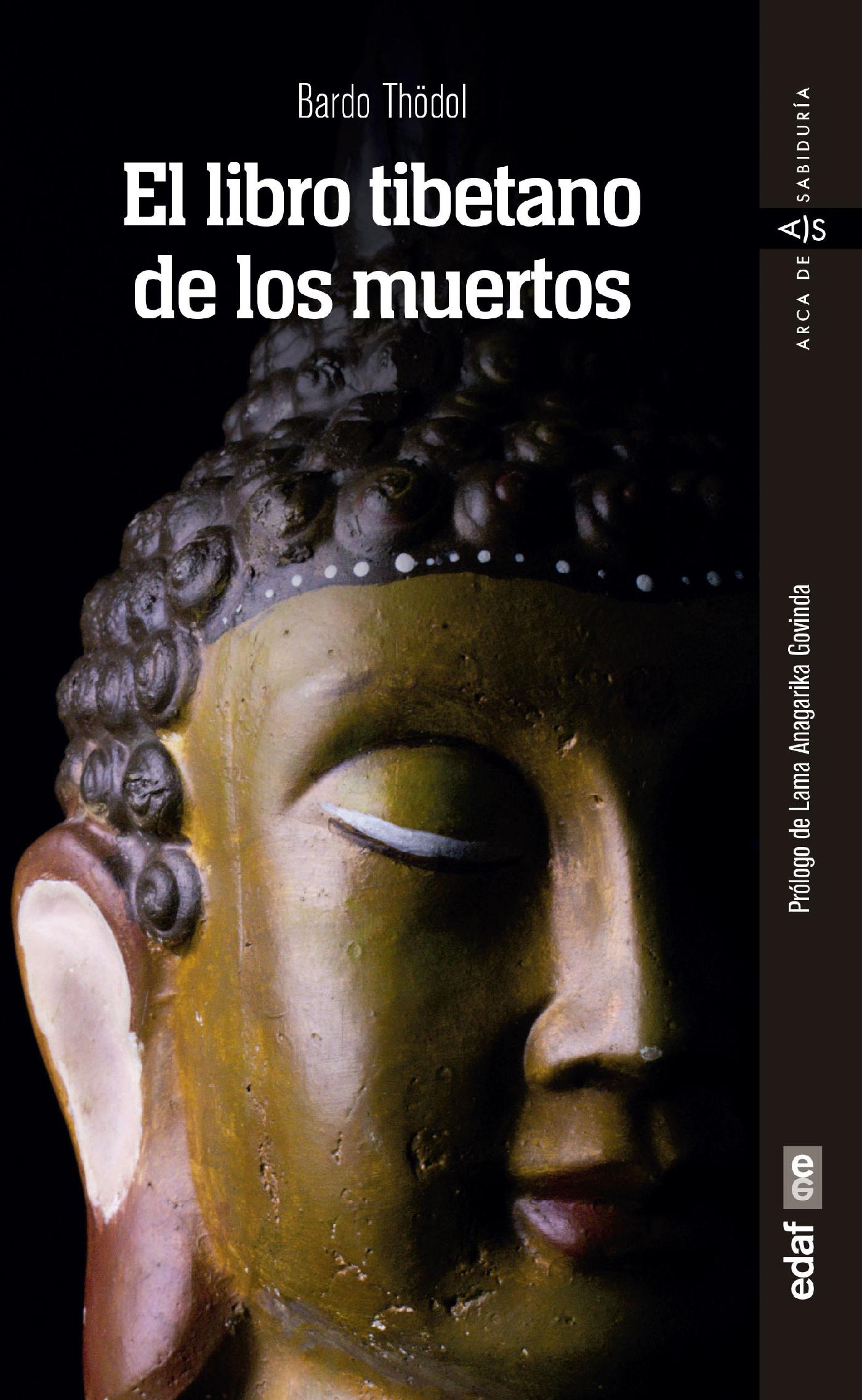
https://devlaravel.imosver.com/en/ebooks/el-libro-tibetano-de-los-muertos-E0002679211E0002679211EL LIBRO TIBETANO DE LOS MUERTOS3.79El Bardo Thödol se atribuye a Padmasambhava, el monje que a mediados del siglo VIII llevó el budismo a Tíbet y fundó el primer monasterio, aunque se cree que fue Karmalingpa el que encontró en el siglhttps://www.aglutinaeditores.com/media/resources/public/77/7754/7754223915b14a4dab2cef286aefa82c.jpgEbookEn stockEDAF000https://www.aglutinaeditores.com/media/resources/public/77/7754/7754223915b14a4dab2cef286aefa82c.jpgCIM0087271CIM0086394001077628400107783623.9950.22021/04/069788441440876ANÓNIMO,Ebookaño_2021idioma_SpanishCautor_ANÓNIMO,
Artículo
EL LIBRO TIBETANO DE LOS
ANÓNIMO
EDAF
? Cookie Notice
We use cookies to ensure you get the best experience on our website.
Read cookie policy.
? Manage cookie preferences
This type of cookie allows the user to browse a website, platform, or application and to use the different options or services that exist on it.
imosver_session
Description
Essential first-party cookie. It keeps your session identified while you browse: your basket, your language and access to your account. The website cannot work without it.
Duration
120 minutes
Dependencies
Domain
imosver.com
OCT8NE
Description
This cookie is used for the proper functioning of the Oct8ne Chat to provide customer support service to the user.
These are those that enable the tracking and analysis of user behavior on our website. The information collected is used to measure user activity on the website and to create user browsing profiles.
_clsk
Description
It records statistical data about the visitor's behavior on the website. This is used for internal analysis by the website operator.
Duration
1 days
Dependencies
Domain
imosver.com
logglytrackingsession
Description
Identifies and records the user session for analytical purposes.
Duration
Session
Dependencies
Domain
.imosver.com
GOOGLE_ANALYTICS
Description
Records a unique identifier that is used to generate statistical data about how the visitor uses the website.
Duration
1 year
Dependencies
Domain
.imosver.com
_clck
Description
Microsoft Clarity first-party cookie. It stores an anonymous browser identifier so that visits to this website can be attributed to the same user and usage statistics can be produced.
Duration
1 year
Dependencies
Domain
imosver.com
CLID
Description
Microsoft Clarity third-party cookie. It identifies the first time Clarity detects this browser on any website using the service.
Duration
1 year
Dependencies
Domain
clarity.ms
_ga
Description
Google Analytics cookie. It stores an anonymous browser identifier in order to distinguish users and produce website usage statistics.
Duration
2 year
Dependencies
Domain
.imosver.com
_ga_LZR660YW0M
Description
Google Analytics 4 cookie. It keeps the analytics session state so that visits and the journey through the website can be measured.
Duration
2 year
Dependencies
Domain
.imosver.com
These are the ones that allow us to adapt the navigation on our website to your preferences (e.g., language, browser used, etc.).
_fbp
Description
Used by Facebook to offer a series of advertising products, such as real-time bids from third-party advertisers.
Duration
3 month
Dependencies
Domain
.imosver.com
afiliado
Description
First-party affiliate programme cookie. It stores for 30 days the code of the affiliate that brought you to the website, so that the sale can be attributed to them.
Duration
1 month
Dependencies
Domain
imosver.com
MUID
Description
Microsoft third-party cookie. It identifies unique browsers visiting Microsoft sites and is used for advertising, analytics and other operational purposes.
Duration
1 year
Dependencies
Domain
clarity.ms
ANONCHK
Description
Microsoft third-party cookie. It indicates whether the MUID identifier is transferred to ANID, a cookie used for advertising purposes.
Duration
10 minutes
Dependencies
Domain
clarity.ms
MR
Description
Microsoft third-party cookie. It indicates whether the MUID identifier must be refreshed.
Duration
7 days
Dependencies
Domain
clarity.ms
SM
Description
Microsoft third-party cookie. It synchronises the MUID identifier across Microsoft domains.
Duration
Session
Dependencies
Domain
clarity.ms
_fbc
Description
Meta cookie. It stores the identifier of the Facebook or Instagram advert you arrived from, in order to attribute the visit to that advertising campaign.
Duration
3 month
Dependencies
Domain
.imosver.com
_gcl_au
Description
Google Ads cookie. It records a visit coming from an advert so that advertising campaign conversions can be measured.
Duration
3 month
Dependencies
Domain
.imosver.com
_uetsid
Description
Microsoft Advertising cookie. It identifies your browsing session in order to measure conversions from Bing advertising campaigns.
Duration
1 days
Dependencies
Domain
.imosver.com
_uetvid
Description
Microsoft Advertising cookie. It identifies your browser across visits in order to measure conversions from Bing advertising campaigns.
El Bardo Thödol se atribuye a Padmasambhava, el monje que a mediados del siglo VIII llevó el budismo a Tíbet y fundó el primer monasterio, aunque se cree que fue Karmalingpa el que encontró en el siglo XVI el texto perdido que se conocía con el nombre de “La liberación del estado intermedio por la escucha”, sabiéndose, no obstante, que se transmitía de forma oral desde el siglo XIV. Fue el doctor Walter Evans-Wentz quien lo publicó por primera vez en Occidente en 1927, bajo el título de El libro tibetano de los muertos. La obra versa sobre el “estado intermedio”, aquel que sobreviene después de la muerte y previo a un nuevo nacimiento, siendo una “guía para los que desean traspasar la muerte y convertir el proceso en un acto de liberación”. Su valiosa perspectiva se centra en plantear la muerte como un estado (bardo) de consciencia distinto al estado de la vigilia o del sueño en su manifestación, pero similar en esencia, formando los seis estados de la conciencia del ser humano un proceso uniforme. Un libro imprescindible para acceder a la profunda espiritualidad y conocimiento del budismo tibetano, y obra básica de la literatura universal sobre la muerte, tanto en sus aspectos filosóficos como fenomenológicos. El texto se completa con una excelente introducción de lama Anagarika Govinda.